
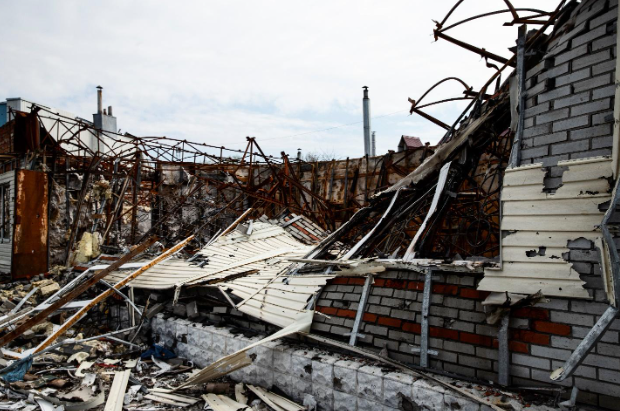

Storm damage restoration is the professional, specialized process of assessing, stabilizing, and repairing a property after severe weather events, including wind, hail, flooding, or heavy snow. Unlike a standard repair job, storm damage restoration effectively addresses both visible damage and hidden secondary problems, such as water trapped inside walls and mold growth.
Have you been searching for storm damage restoration and want to know what to expect during the process? Then you are just in the right place. In this informative damage restoration guide, we will outline the comprehensive steps of the storm damage restoration process.
1. Initial Inspection and Safety
After the storm, your priority should be safety. Therefore, don’t start the restoration process until the authorities have declared your property safe for restoration. Once they have deemed your property safe for restoration, the insurance damage inspections can proceed.
Create a safety checklist to address damage and ensure effective, comprehensive storm damage restoration. Remember to wear protective gear such as gloves, boots, and masks when inspecting for damage. Identify structural damage to floors, roofs, walls, and foundations. Also check for water damage and flooding.
2. Debris and Tree Clearance
Once you have successfully assessed the storm damage and created a to-do list for restoration, the next step is to remove debris and trees from the property. However, removing the debris is essential because it ensures smooth access to your site and prevents future damage when properly cleared.
You can use a chainsaw, heavy equipment, and tractors to safely remove the fallen tree and carefully cut and load the trees that have fallen onto the structure to prevent additional damage to your property.
3. Water Extraction and Drying
After removing debris and fallen trees from the site to improve access and prevent further damage, the second most important task is to drain the site. Water damage is often the most significant component of storm damage and requires immediate attention to prevent further damage to the site’s structural integrity, as standing water can quickly lead to structural issues.
For effective water extraction, industrial-grade pumps are best if the water is standing on floors, carpets, or other surfaces.
4. Mold Remediation
After effectively handling the water extraction, the next important step is to assess the need for mold remediation. However, mold can grow within 24 to 48 hours after water or storm damage, so prompt action is required to manage it.
Check for mold on the site. If mold is found, use HEPA air filtration devices to contain airborne spores during cleanup quickly. After removing the mold, apply an antimicrobial treatment to prevent further mold damage or growth.
5. Pre-Storm Condition
This is the final step in your storm-damage restoration process, in which you repair structural and foundation damage and return the property to its pre-storm condition. It begins by addressing foundational issues, such as damage to the foundation, walls, and roofing systems.
Make sure to repair or replace damaged windows and siding to match the existing materials whenever possible, which will help you preserve your property’s original appearance. Repair all electrical and plumbing issues to restore your property’s full utility.