
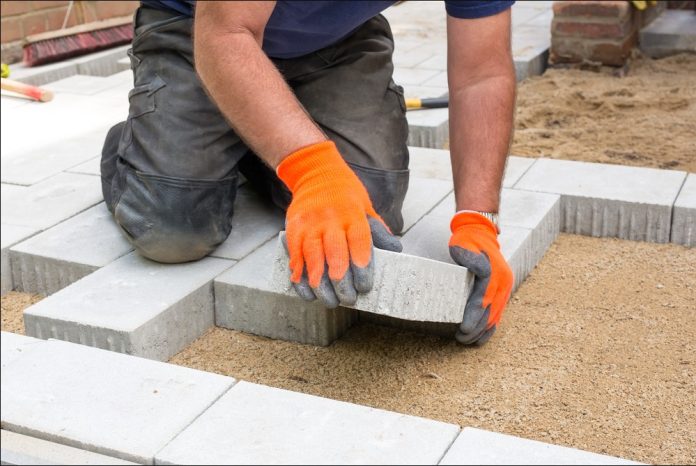

Not every part of the city experiences the same paving challenges. Understanding what types of paving work best in your location before choosing a material or contractor can make a major difference.
Local knowledge often matters far more than homeowners expect.
The Hillier North Side
The landscape in areas such as Blackpool, Farranree, and parts of Gurranabraher can influence Paving Cork driveway installations.
Steeper gradients require more detailed drainage planning and, in some cases, retaining structures to manage changes in ground level.
Block paving is often a suitable option in these areas because individual blocks can handle slight ground movement, while a fully solid surface may be more vulnerable to cracking.
Established Southside Suburbs
Areas such as Douglas, Ballinlough, and Rochestown generally feature larger properties with better access for machinery, making project timelines easier to predict.
These locations have also seen an increase in resin-bound driveway installations. This is partly because flatter ground conditions suit the material well and partly because resin has become popular in modern home improvement projects.
Modern Estates Around Ballincollig and Carrigaline
Newer housing developments often have smaller front gardens and stricter guidelines regarding surface materials.
Many modern estates now encourage or require permeable paving solutions because drainage restrictions are usually considered during the original development planning.
Things to Check Before Installation
- Review any management company requirements.
- Confirm permitted paving materials.
- Consider drainage needs before selecting a surface.
- Discuss restrictions with your contractor before ordering materials.
City Centre and Period Properties
Older areas such as Sunday’s Well and the Lower Road often present different challenges.
Terraced properties may have limited access, while heritage considerations can influence material choices.
Cobblelock and traditional block patterns usually complement period homes better than modern resin finishes. Experienced Paving Cork contractors familiar with older properties can often recommend materials that work well with existing brickwork and architectural features.
Riverside and Flood-Prone Areas
Properties in lower areas and locations close to the River Lee require extra attention to drainage and surface permeability.
In areas where flooding has historically been an issue, installing an impermeable surface without a proper drainage strategy can create unnecessary problems.
For these locations, investing in a permeable paving system is often worthwhile because it helps manage surface water more effectively over the long term.
Glanmire and the Commuter Belt
Glanmire and Riverstown have experienced significant development over recent decades, creating a mixture of older rural properties and newer housing estates.
This means paving requirements can vary greatly, even between neighbouring properties.
A mature bungalow with a large gravel driveway may be ideal for a traditional block paving upgrade, while a nearby modern estate home may have management rules that control which finishes are acceptable for Paving Cork projects.
Checking restrictions before purchasing materials is always a better option than discovering problems after installation.
Bishopstown and Wilton Area
These established suburbs often feature wider grass verges and larger front gardens, giving homeowners more freedom with design choices.
Popular projects in these areas include combined driveway and pathway designs, where one paving style provides vehicle access while a complementary material creates a separate pedestrian route to the front entrance.
This approach helps divide different areas visually while maintaining a consistent overall design.
Why Local Knowledge Matters
Contractors who regularly work in specific parts of Cork develop valuable experience with local conditions. They often understand which streets have shallow soil over solid rock, where excavation may be easier, and which locations have recurring drainage issues. They also know when a permeable paving system may be worth the additional investment, even beyond basic planning requirements.