
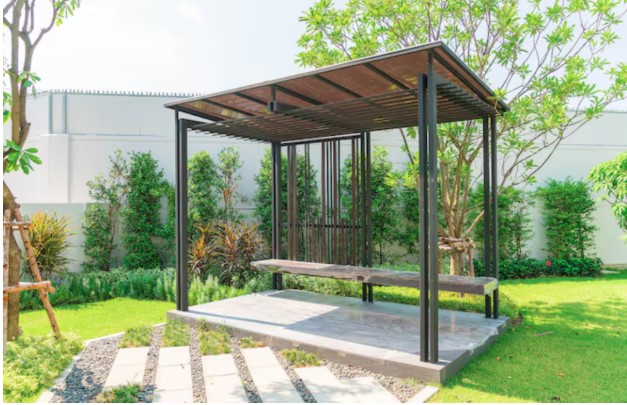

Enhancing an outdoor living space requires a thoughtful approach to both aesthetics and functionality. A well-designed overhead structure serves as a bridge between the comfort of your indoor environment and the beauty of the outdoors.
Whether you are looking to create a shaded retreat for summer afternoons or a protected area for year-round entertaining, custom patio covers offer a versatile solution.
Success in such a project depends on careful material selection, architectural integration, and a clear understanding of your local environmental conditions.
1. Defining the Primary Purpose of Your Outdoor Space
Before purchasing materials or sketching designs, you must determine how the space will be used. Are you looking for total protection from rain, or do you simply want to filter the harsh midday sun? The intended use will dictate the density of the roof and the overall height of the structure.
For instance, if you plan to install an outdoor kitchen with a grill, the design must account for proper ventilation and heat resistance. Clearly defining these goals early on ensures that your custom patio covers provide the maximum possible utility for your specific lifestyle.
2. Selecting Materials for Longevity and Style
The choice of materials is the most significant factor in determining the maintenance requirements and the lifespan of the structure. Natural wood, such as cedar or redwood, offers a timeless and organic look but requires regular staining to prevent rot and insect damage.
Alternatively, aluminum and high-grade vinyl have become popular choices because they mimic the appearance of wood while being virtually maintenance-free.
When selecting materials for patio covers, consider how the textures and colors will complement the existing exterior of your home to create a cohesive architectural look.
3. Ensuring Structural Integrity and Weight Support
Any overhead structure must be built to withstand the elements, including high winds and heavy snow loads depending on your climate. This involves calculating the necessary thickness of the support posts and the depth of the concrete footings.
It is crucial to ensure that the ledger board, which attaches the cover to the house, is properly flashed and bolted to the primary structural members of the home. Skimping on the structural foundation can lead to sagging or even catastrophic failure during extreme weather events.
4. Incorporating Proper Drainage and Pitch
A common mistake in DIY construction is failing to account for water runoff. Even a flat-looking roof must have a slight pitch to ensure that rainwater flows away from the house and the seating area.
Integrating a gutter system into the design of your patio covers is a smart way to manage drainage and protect your landscaping from erosion.
A well-planned slope prevents water from pooling on the roof, which significantly extends the life of the roofing materials and prevents leaks from developing over time.
5. Enhancing Comfort with Lighting and Ventilation
To make the space usable after sunset or during the heat of the day, consider integrating electrical components into the design. Recessed LED lighting can create a warm ambiance, while heavy-duty outdoor ceiling fans can provide a much-needed breeze during stagnant summer evenings.
If you plan to add these features, ensure that all wiring is rated for outdoor use and that the structure is designed to hide the conduits for a clean, professional finish. These additions transform simple patio covers into fully functional outdoor rooms.